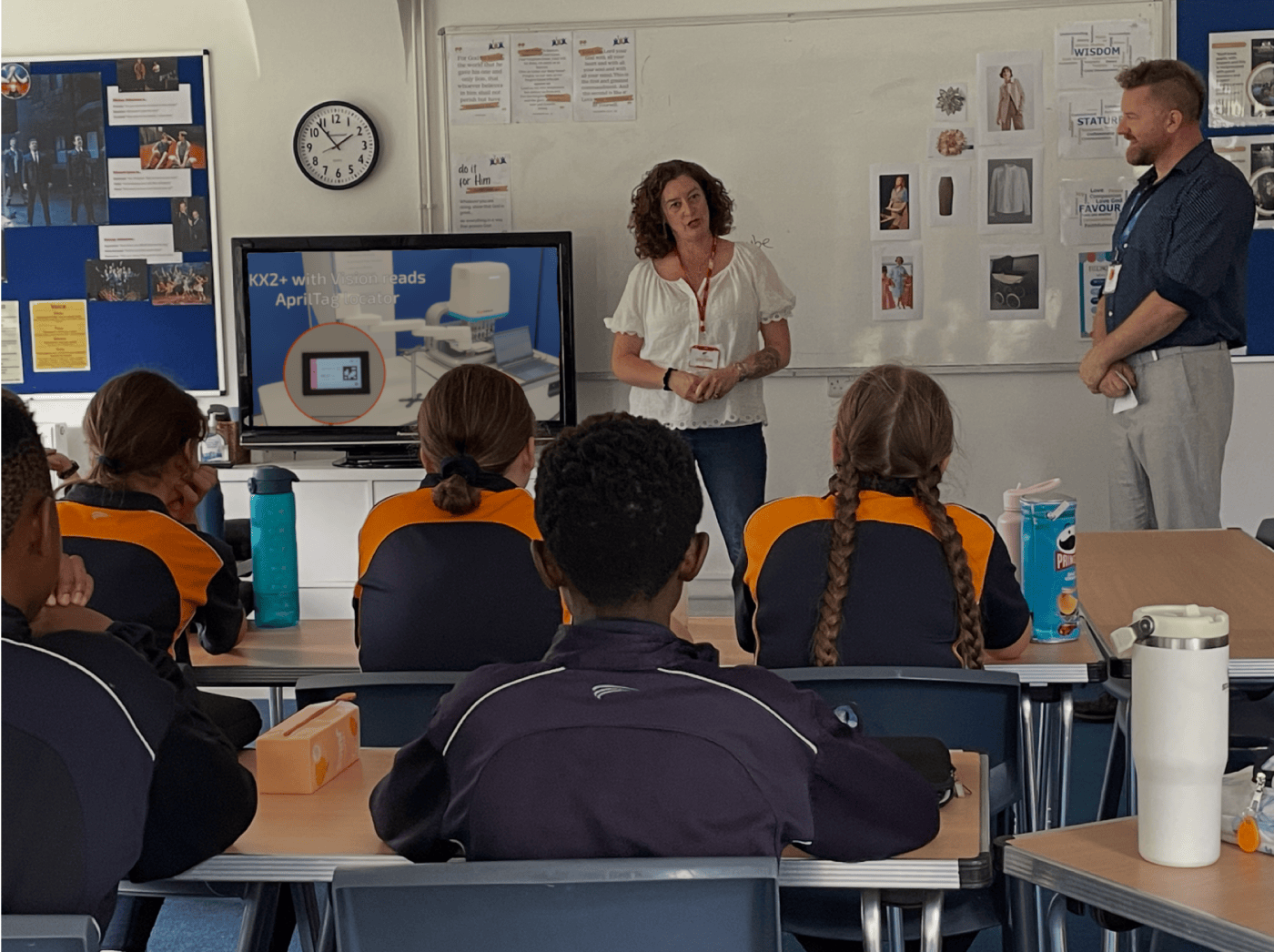
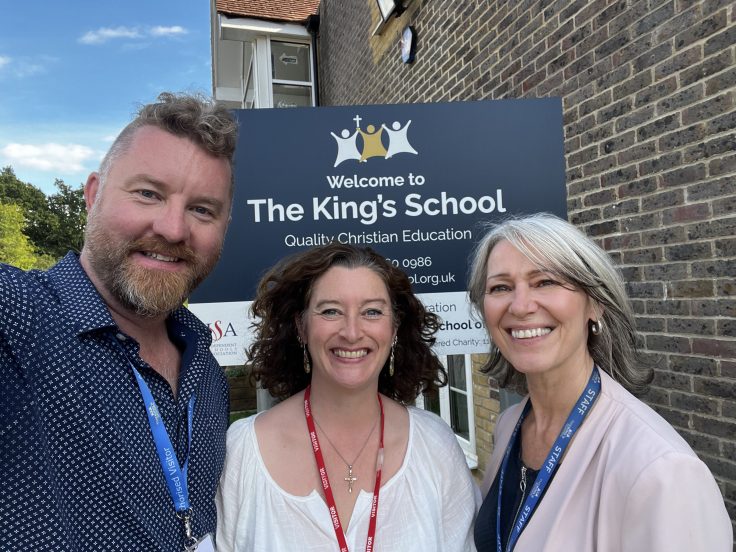
That was the question behind a brilliant visit I helped organise at The King’s School, Fair Oak, where we welcomed Dr Helen V Bennett, Director of Scientific Strategy at Peak Analysis and Automation (PAA).
Helen works at the intersection of science, robotics, automation and AI, so rather than simply talking about future careers, our pupils got to hear directly from someone working in this world right now.
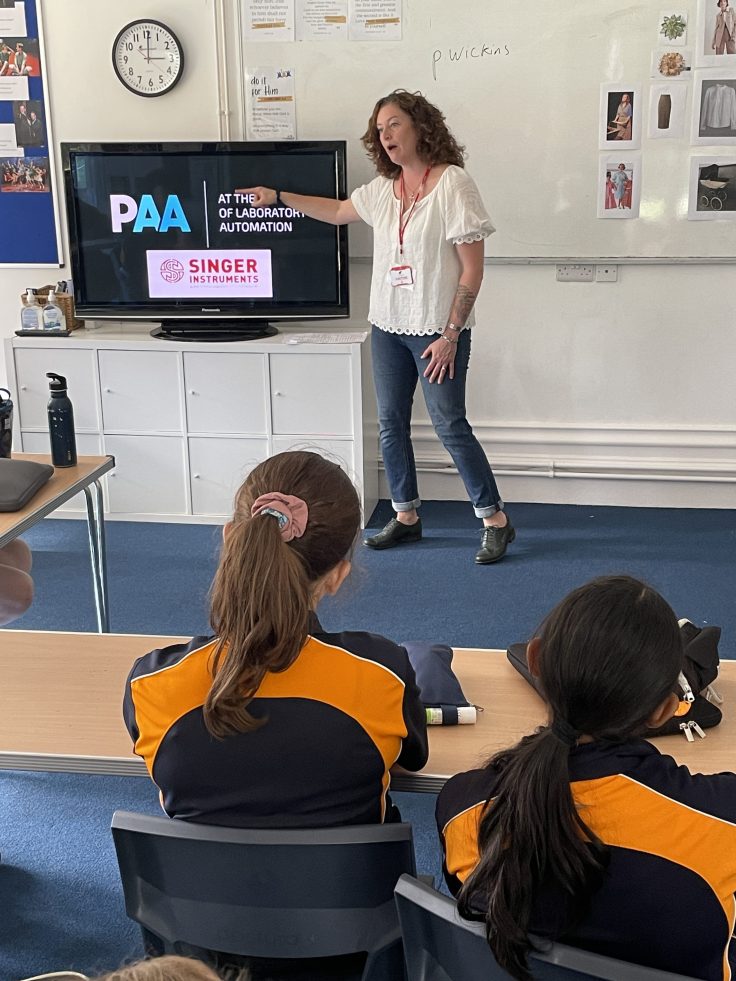
I interviewed Helen about her career journey, what it is like working in a traditionally male-dominated area of STEM, the challenges she faced along the way, and how opportunities for women in science and engineering are changing.
We also explored some big questions around AI and the future of work:
- How is AI already changing scientific research and automation?
- How should we use AI to enhance our thinking rather than replace it?
- Why is checking and questioning AI output so important?
- What jobs might change as automation develops?
- What skills and attitudes will young people need for careers that don’t even exist yet?
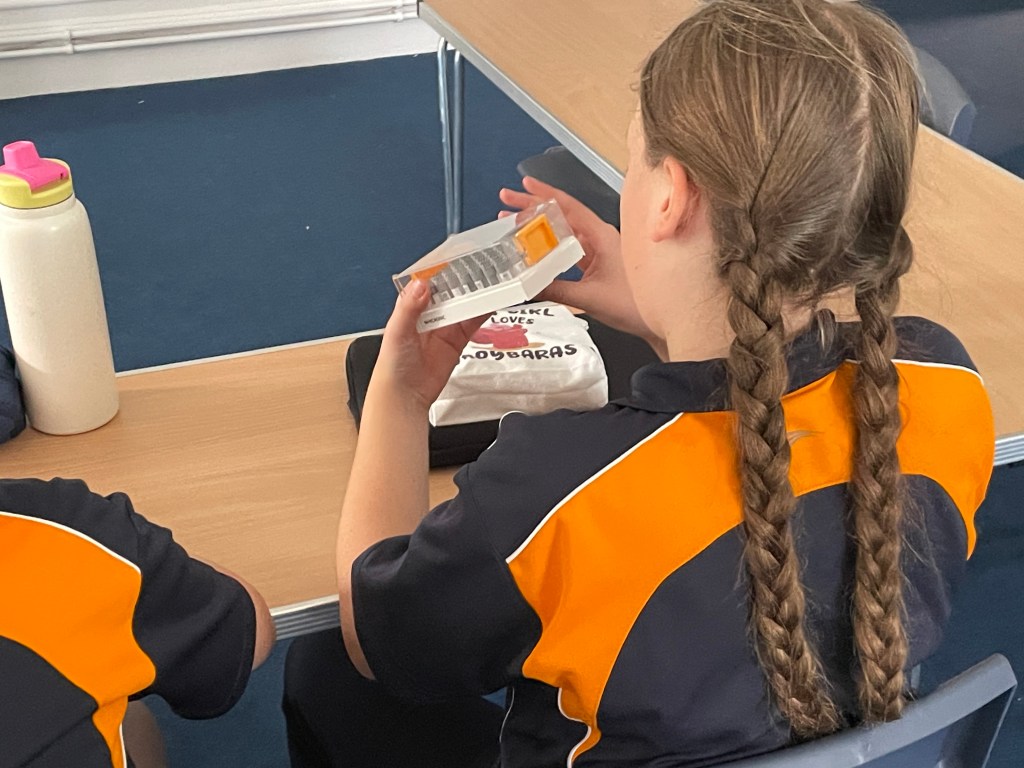
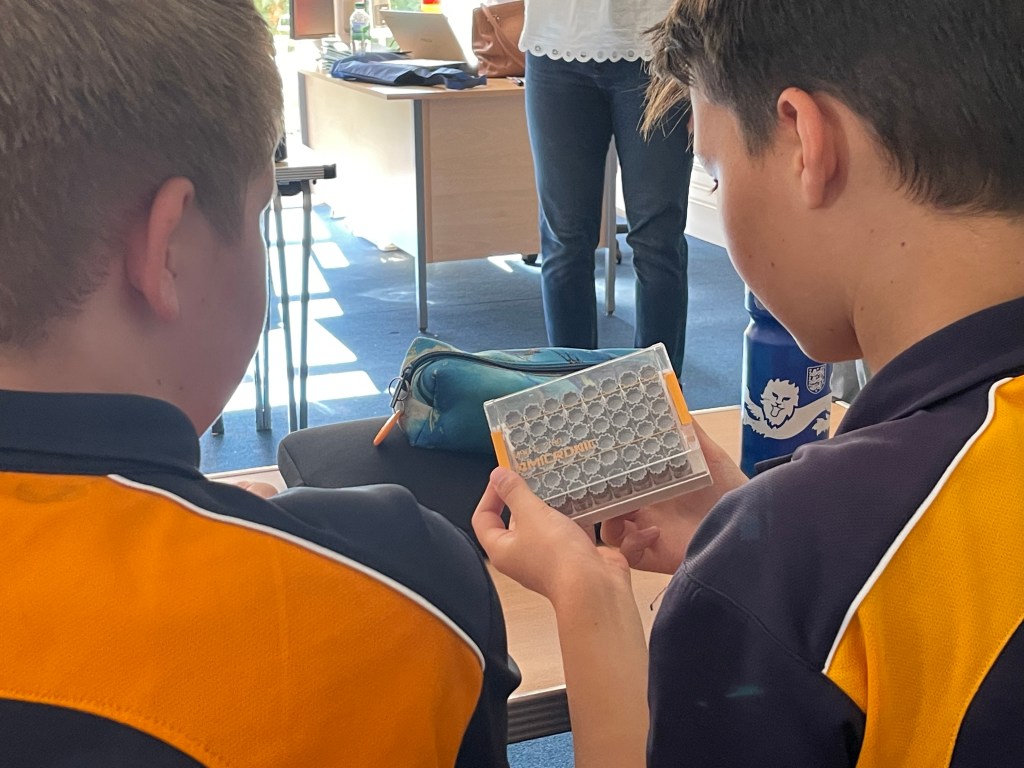
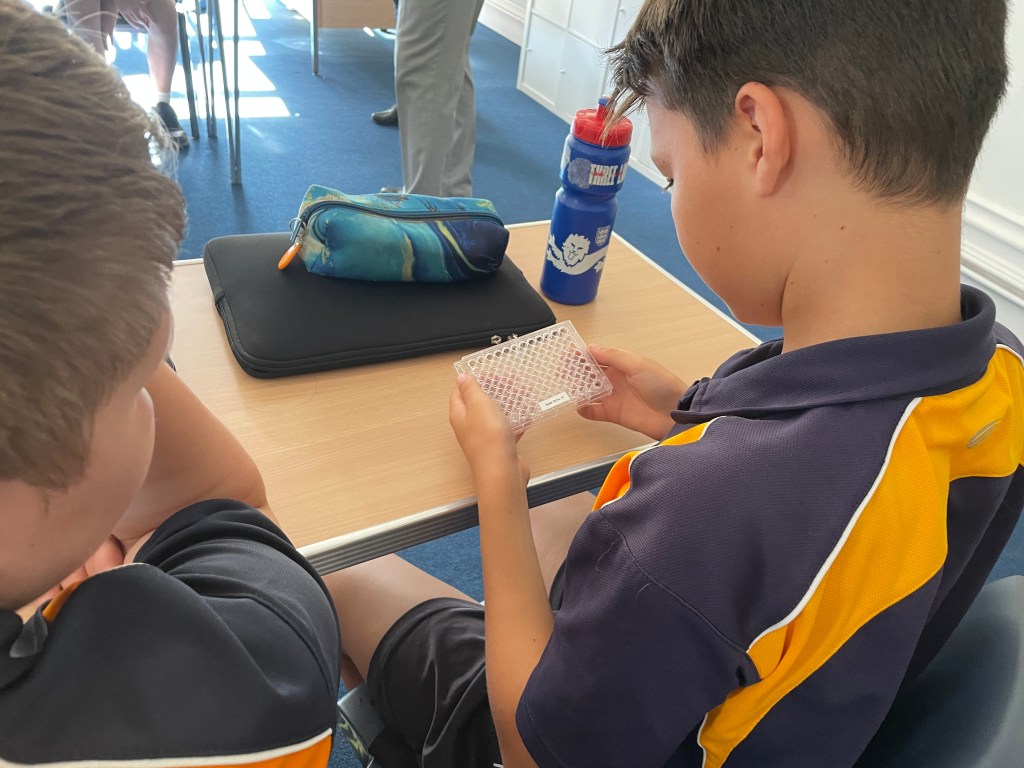
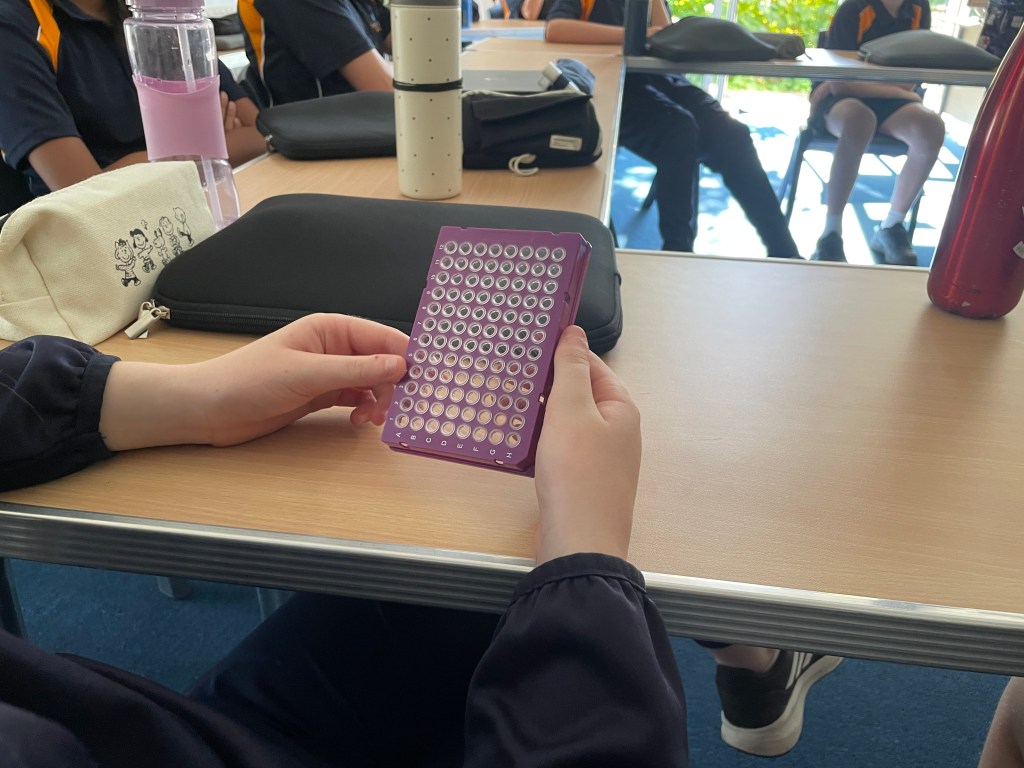
And then came the really interesting bit…
The pupils took over.
Their questions ranged from “What qualifications do you need?” and “How did you get into robotics?” to:
“What happens if a robot malfunctions?”
“Who is to blame if a robot explodes?”
“Can robots make mistakes?”
“What are the dangers of programming robots?”
and, inevitably…
“Do you think AI will take over the world?”
These conversations are exactly why I believe education needs to go beyond the curriculum.
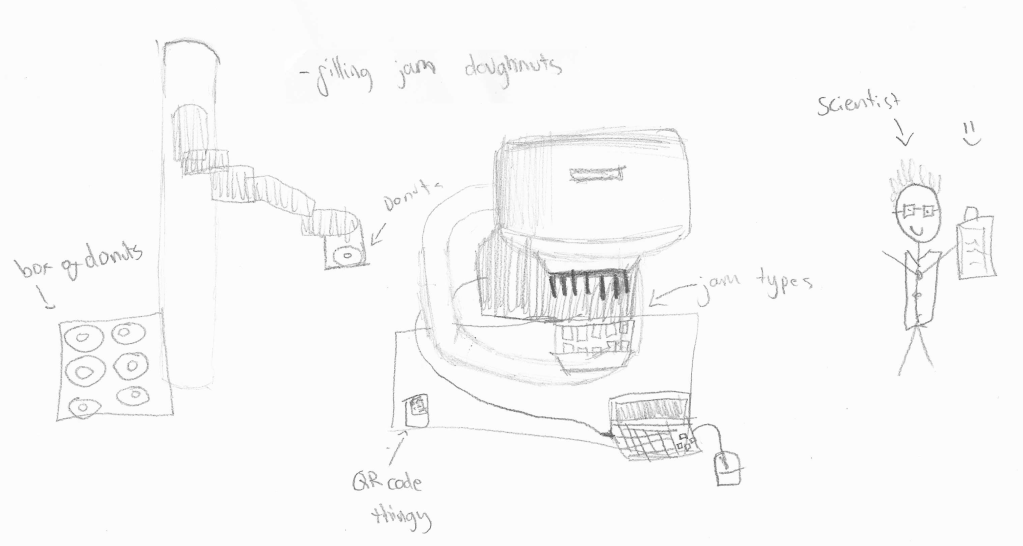
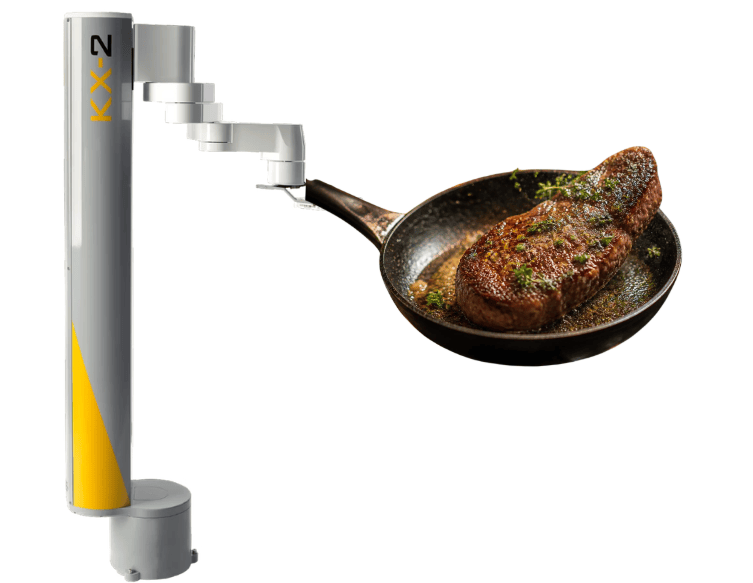
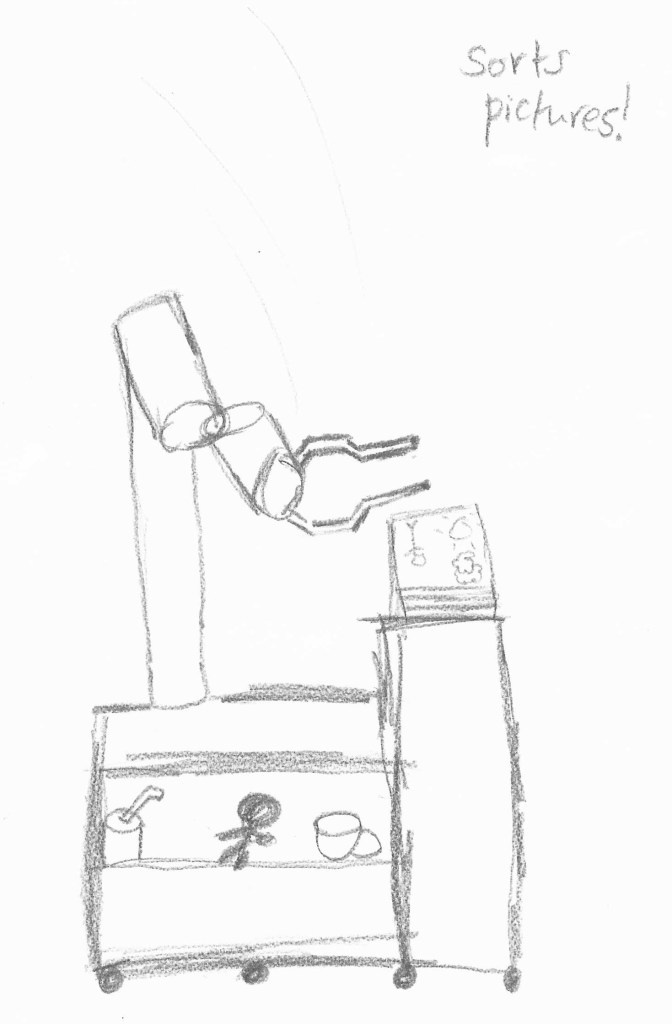
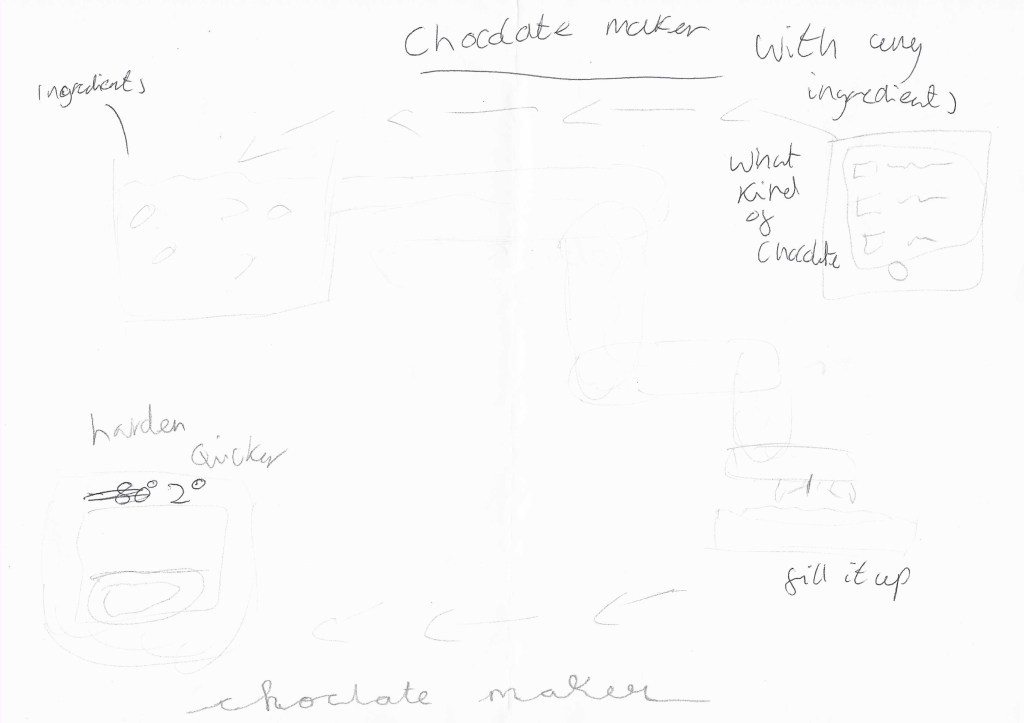
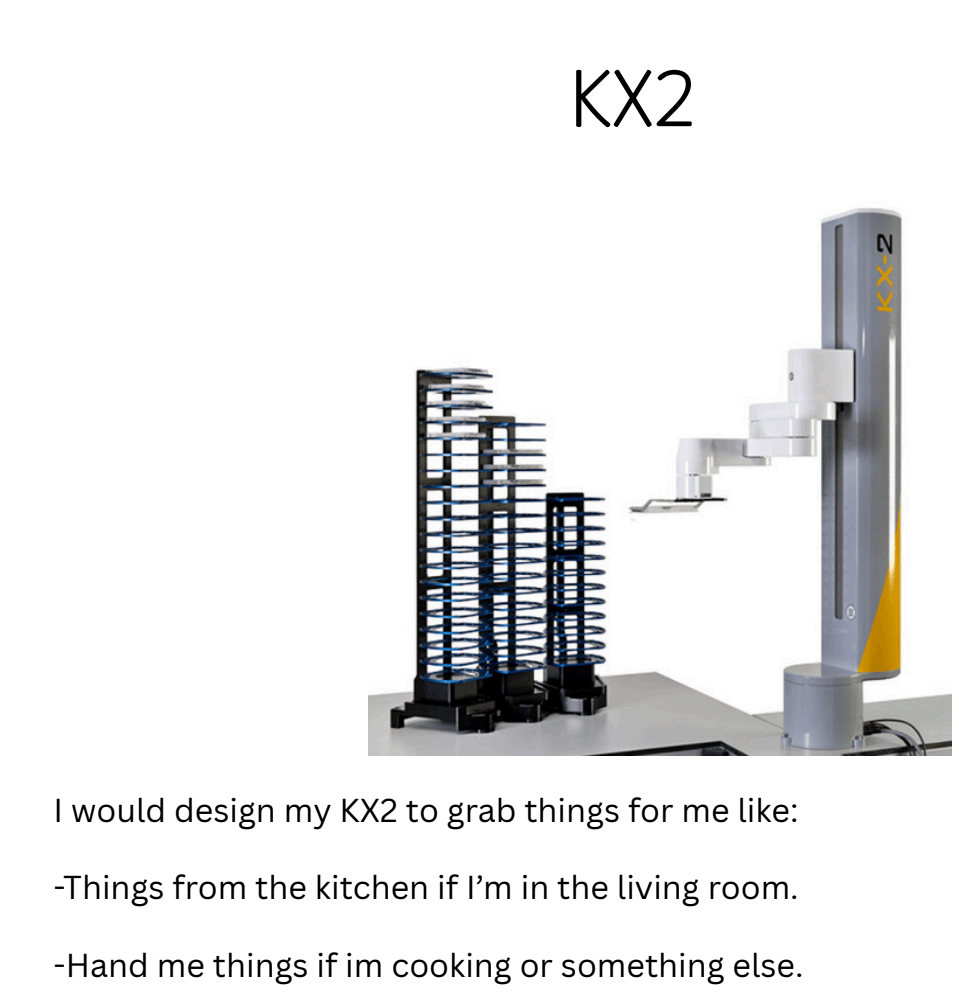
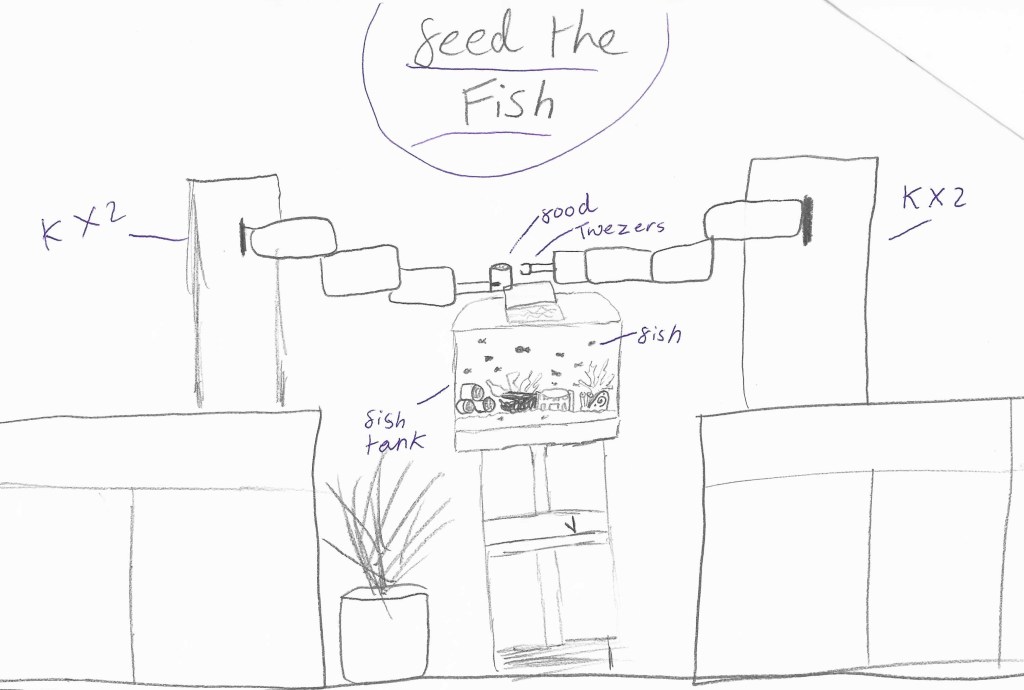
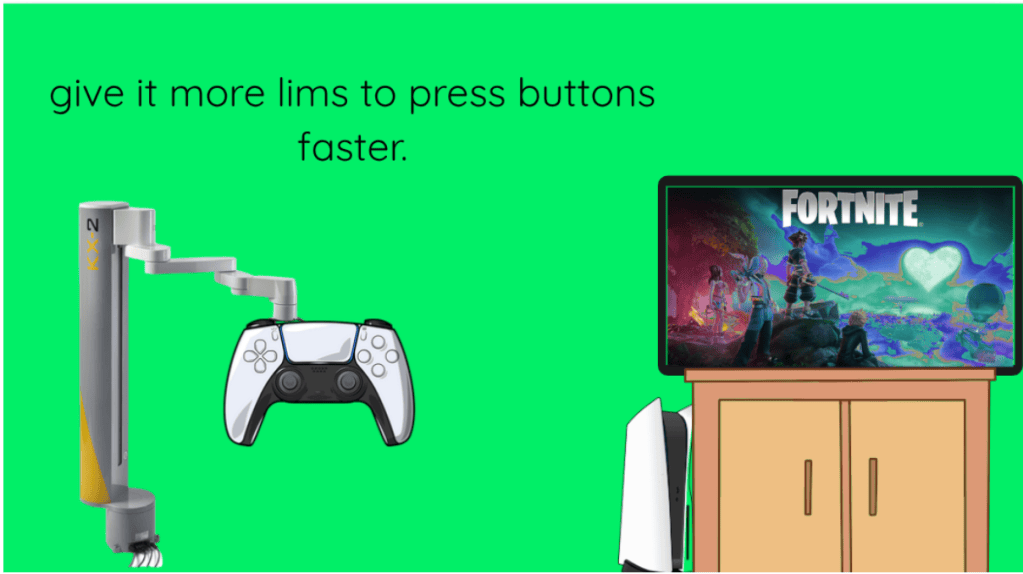
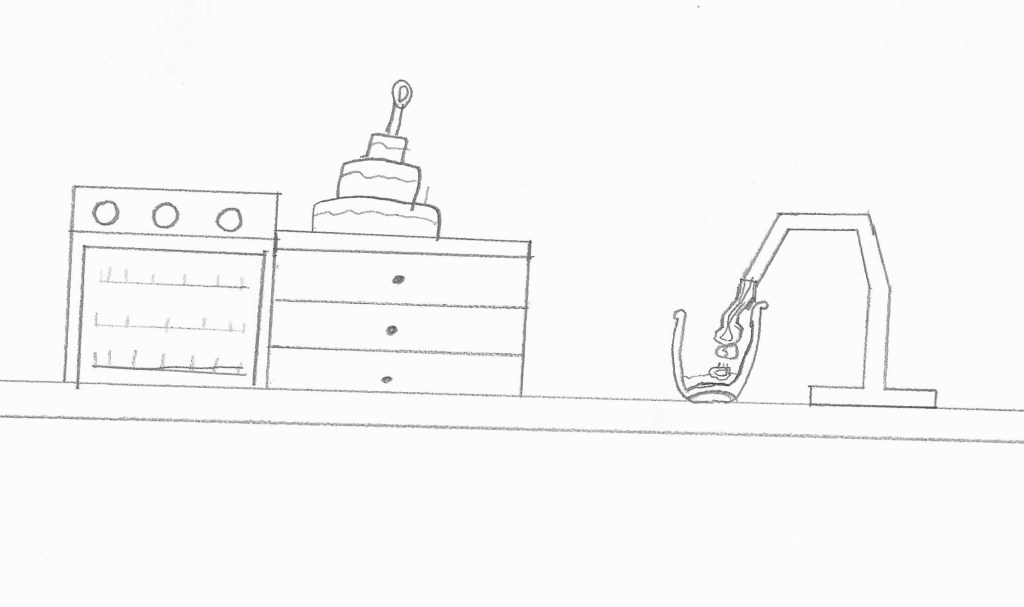
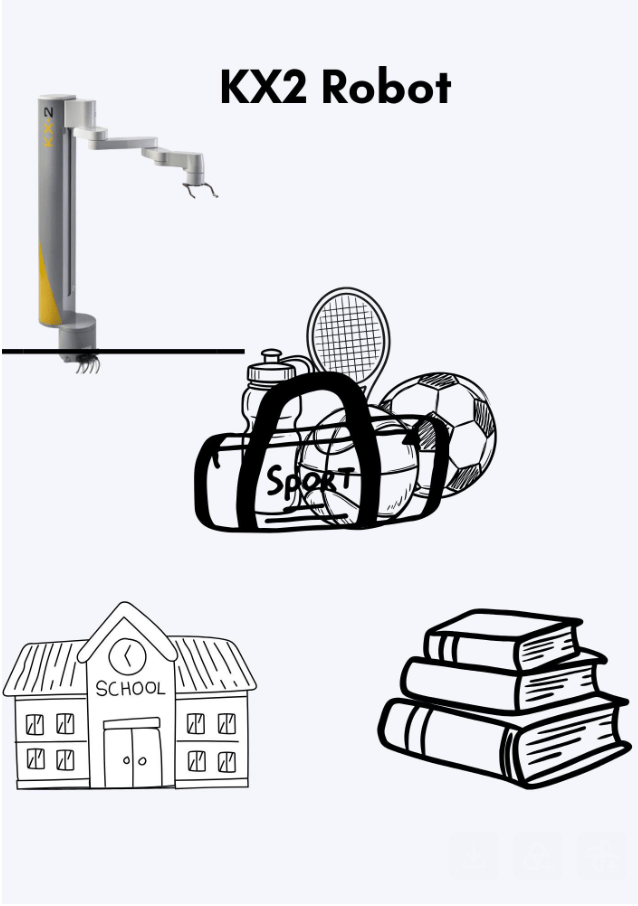
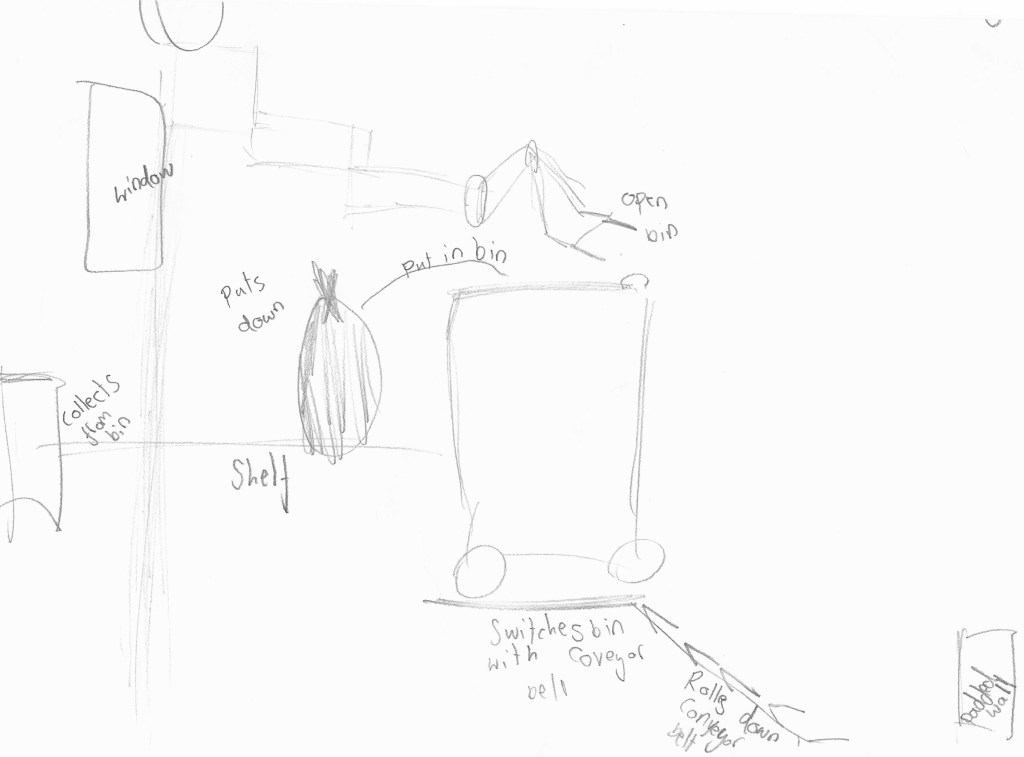
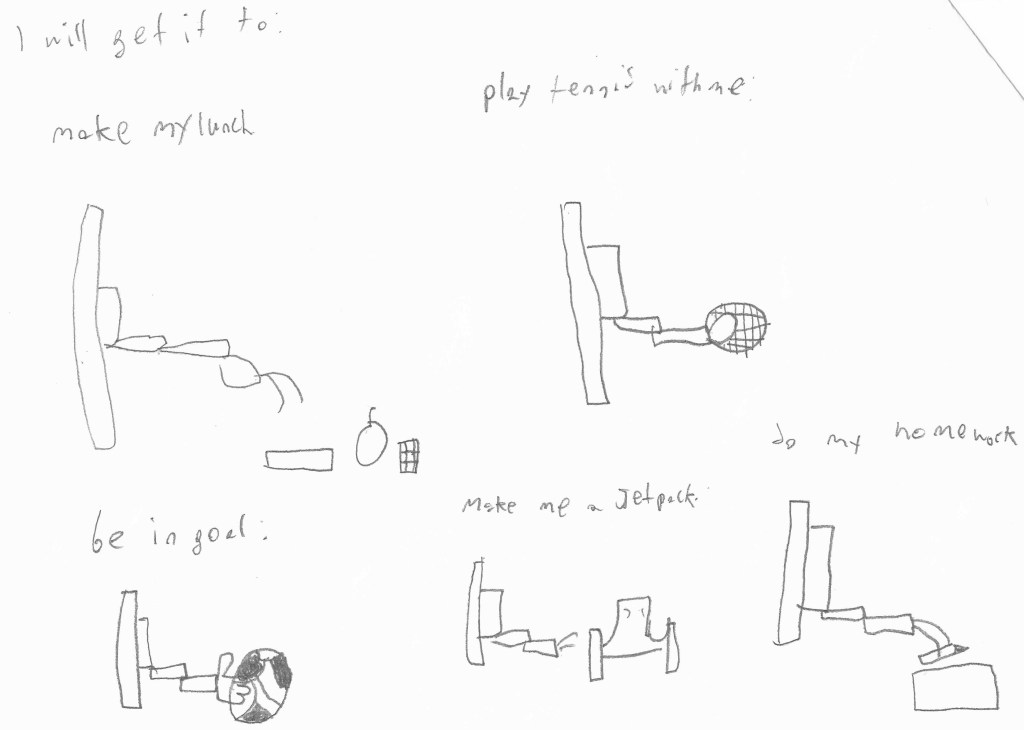
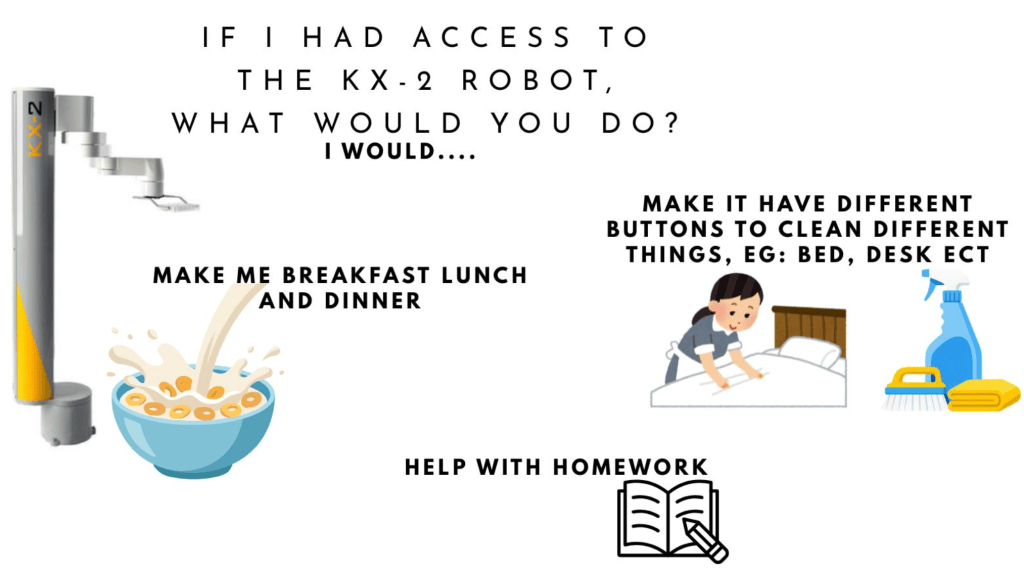
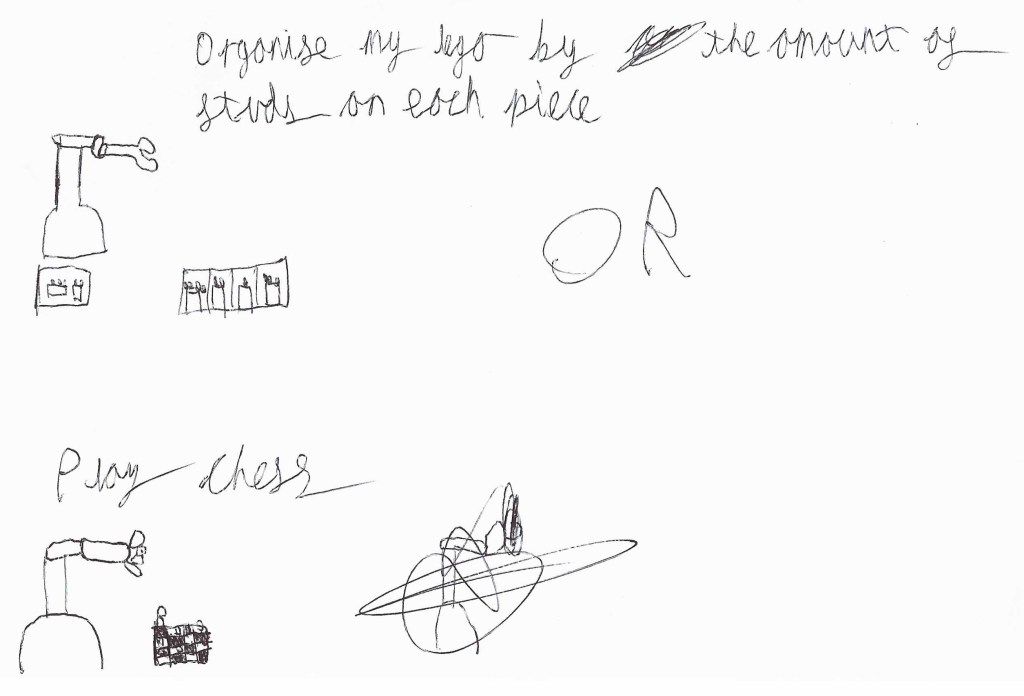
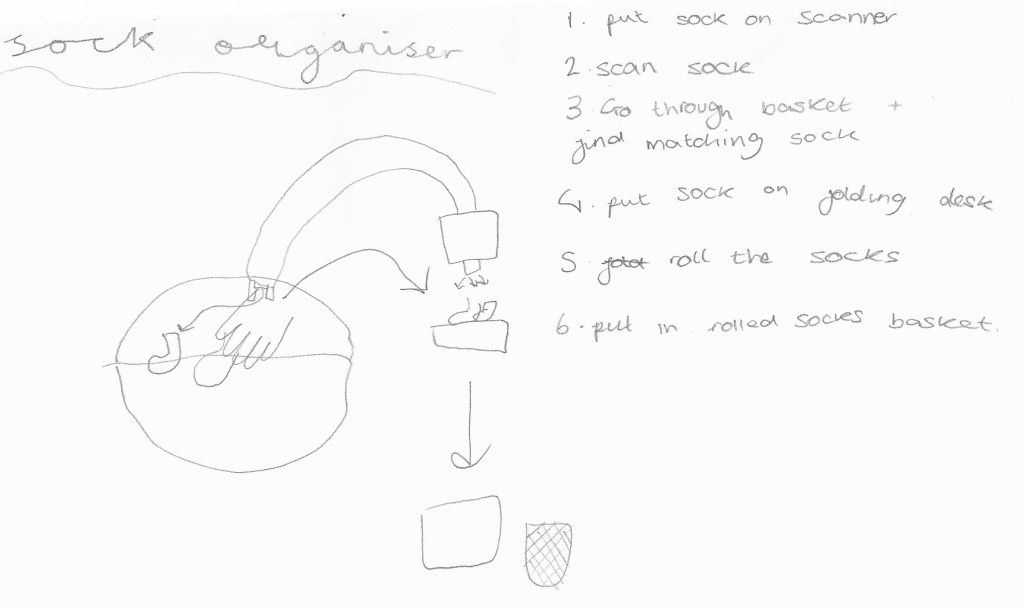
The students were then given an opportunity to create their own imaginative workflows using the amazing KX2 robot arm, by Peak Robotics.
As educators, we have an opportunity to raise aspirations, challenge stereotypes and help young people see themselves in careers they may never have considered.
For our girls in particular, meeting an accomplished woman working in robotics and scientific automation sends a much more powerful message than simply telling them “women can work in STEM.”
They can see it.
And for me, this is a big part of what being a modern educator means: connecting curriculum, technology, people and opportunity; and creating experiences that make young people curious about what they could do next.
A huge thank you to Helen for giving our pupils her time, answering some seriously challenging questions and showing them where science, engineering, robotics and AI can lead. Also, a huge thank you to Caroline Santer and the team at The King’s School for facilitating this visit!
The future of technology isn’t something our pupils are just learning about. It’s something they’re going to help shape.


Leave a Reply